
Home Interior Color: A Complete Guide to Choosing the Best Colors for Your Home
Home interior color plays a major role in creating comfort, harmony, and personality inside your living space. When you choose a home interior color, you are not just selecting a shade for your wall—you are shaping the mood, atmosphere, and even energy inside your home. A well-chosen home interior color can make a room look bigger, brighter, warmer, or more relaxing. Because home interior color affects emotions and visual balance, it becomes one of the most important decisions in designing a comfortable and stylish home. Many people underestimate how powerful a home interior color can be, but the right selection truly transforms your daily experience. Whether you prefer bold tones or soft neutrals, your home interior color should reflect your personal taste, lifestyle, and comfort preferences.
What Is Home Interior Color?
A home interior color refers to the colors used inside a home, including walls, ceilings, furniture, decorations, and accents. It sets the overall mood of each room and helps create consistency throughout the entire house.
Choosing the right home interior color is not only about aesthetics; it’s also about creating harmony between your environment and your daily routine. Different colors influence how you feel, behave, and interact with the space.
Why Home Interior Color Matters
Color psychology explains why certain colors make you feel calm, happy, creative, or focused. The home interior color you choose has the power to:
1. Influence Emotions
Soft colors like blue, beige, and pastels often create calming feelings, while red or yellow can increase energy and warmth.
2. Improve Visual Balance
Colors help separate areas, highlight important features, or unify the entire home design.
3. Make Rooms Look Bigger or Smaller
Light colors make small rooms appear larger, while dark colors create depth and sophistication.
4. Enhance Natural Light
Bright colors reflect sunlight, making a room feel airier and more open.
5. Define Interior Style
The choice of home interior color can represent a modern, classic, Scandinavian, industrial, or cozy aesthetic.
Understanding Color Psychology in Home Interior Design
Before choosing a home interior color, it helps to understand how different tones affect your mood.
Blue
Calming, peaceful, perfect for bedrooms, bathrooms, and home offices.
Green
Fresh, natural, and relaxing. Great for living rooms, kitchens, and reading corners.
Yellow
Cheerful and energizing. Works well in kitchens and dining rooms.
Red
Bold and passionate. Best used as accents, not entire walls.
Beige and Cream
Soft, warm, and neutral, suitable for any interior style.
Gray
Modern and elegant. Suitable for living rooms, offices, and bedrooms.
White
Clean and bright. Makes rooms appear larger and more minimalistic.
Brown and Wood Tones
Warm, natural, and grounding. Perfect for cozy and traditional interiors.
Choosing the Right Home Interior Color for Each Room
Different rooms have different functions, so each one may require a specific color to match its purpose.
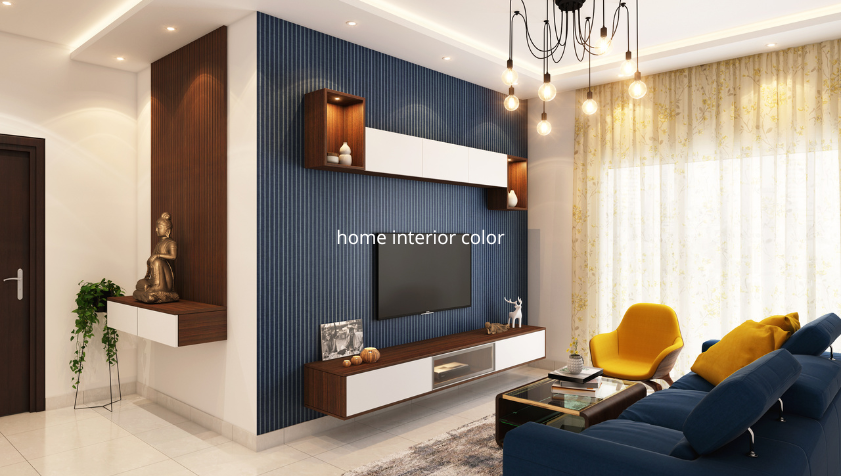
Living Room
The living room is often the center of the home, where family and guests gather.
Recommended colors:
-
Beige
-
Light gray
-
Soft blue
-
Olive green
-
Warm white
These tones create a welcoming and harmonious atmosphere.
Bedroom
A bedroom should feel restful and soft.
Good home interior color options include:
-
Pastel blue
-
Sage green
-
Dusty pink
-
Nude tones
-
Cream
Avoid bold colors that overstimulate the mind before sleep.
Kitchen
Kitchens benefit from lively yet balanced tones.
Best choices:
-
Soft yellow
-
Light green
-
White
-
Pale gray
-
Warm wood tones
These colors make the kitchen feel fresh and clean.
Bathroom
Choose colors that make the room feel hygienic and calm.
Suggested colors:
-
White
-
Aqua
-
Light blue
-
Seafoam green
-
Pale gray
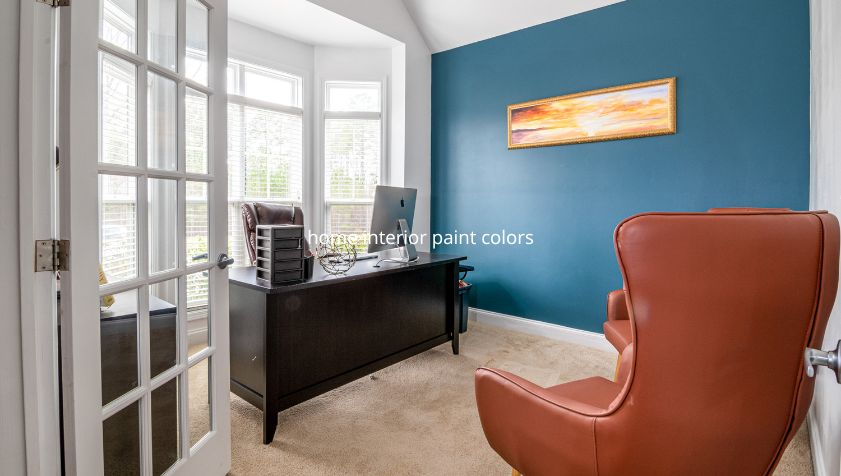
Home Office
Colors in a workspace should support focus and productivity.
Recommended:
-
Light blue
-
Gray
-
White
-
Beige
-
Muted green
Avoid colors that feel too distracting or overly stimulating.
Dining Room
Warm tones help create a cozy environment for meals.
Good choices:
-
Earthy brown
-
Mustard yellow
-
Terracotta
-
Soft red accents
Kids’ Room
Children’s spaces should feel fun yet calming.
Color ideas:
-
Sky blue
-
Soft purple
-
Mint green
-
Peach
-
Light yellow
Home Interior Color Trends in 2025
Trends change every year, but some timeless colors continue to remain popular.
1. Earthy Neutrals
Warm beige, taupe, and clay tones bring nature indoors.
2. Soft Pastels
Mint, lavender, and blush pink add a gentle touch.
3. Deep Greens
Emerald and forest green are trending for luxury and calmness.
4. Muted Blue
Blue remains one of the most loved home interior color choices.
5. Warm Whites
White with yellow undertones feels cozy and modern.
6. Terracotta Shades
Terracotta adds warmth, depth, and Mediterranean charm.
Tips for Choosing the Best Home Interior Color
Selecting a home interior color can feel overwhelming, but these tips make the process easier:
1. Consider Natural Light
A north-facing room may feel cooler, so choose warmer colors.
A south-facing room gets more sunlight, so cool colors work well.
2. Test Samples on the Wall
Paint small sections of different colors to see how they look at different times of the day.
3. Choose a Consistent Color Palette
Using complementary tones throughout the house creates flow and unity.
4. Match Furniture and Decor
Your home interior color should complement existing furniture, not clash with it.
5. Use Accent Walls
If you want bold colors, apply them on just one wall to avoid overpowering the room.
6. Avoid Too Many Colors
Stick to 3–4 main colors for balance.
Neutral Home Interior Color Ideas
Neutral colors are the most popular choice because they work with nearly any interior style.
Here are some classic neutral tones:
-
Ivory
-
Cream
-
Warm gray
-
Cool gray
-
Taupe
-
Tan
-
Soft white
Neutral tones provide a calm backdrop that is easy to pair with furniture, art, or textures.
Bold Home Interior Color Ideas
If you want something daring, bold colors can create a strong visual impact.
Examples include:
-
Navy blue
-
Charcoal
-
Emerald green
-
Burgundy
-
Mustard yellow
Bold colors work well as accent walls or in larger rooms where they won’t feel overwhelming.
Pastel Home Interior Color Ideas
Pastels offer a gentle and soft feel, suitable for many rooms.
Popular options:
-
Baby blue
-
Soft lavender
-
Pale pink
-
Mint green
-
Light peach
Pastel tones bring peace and charm without being too bright.
Warm vs. Cool Home Interior Colors
Understanding temperature in colors helps you choose wisely.
Warm Colors
(orange, red, yellow, terracotta)
-
Feel cozy
-
Create intimacy
-
Suitable for dining rooms, living rooms, and kitchens
Cool Colors
(blue, green, purple)
-
Feel fresh
-
Create calmness
-
Suitable for bedrooms, bathrooms, and offices
Creating a Color Theme for Your Whole House
Instead of choosing different colors randomly, create a unified theme.
Example Themes:
1. Neutral and Minimalist
White, beige, gray
2. Earthy Natural Style
Terracotta, olive green, wood tones
3. Modern Cool Palette
Gray, navy, muted blue
4. Soft Pastel Harmony
Mint, lavender, blush
5. Bold Contemporary
Black, deep blue, metallic accents
Using Patterns and Textures with Home Interior Color
Textures can enhance your color selection.
-
Wood adds warmth
-
Marble adds elegance
-
Textured paint adds dimension
-
Rattan adds natural comfort
-
Metal adds modern style
Patterns on wallpaper or fabrics should match your color palette to avoid visual chaos.
Common Mistakes When Choosing Home Interior Color
Avoid these mistakes:
-
Choosing a color too quickly without testing
-
Overusing dark colors in small rooms
-
Mixing too many bright tones
-
Ignoring lighting conditions
-
Forgetting the harmony between rooms
Conclusion
Choosing the right home interior color has a major impact on the atmosphere, comfort, and visual appeal of your home. From soft neutrals to bold accents, every color offers its own benefits, mood, and personality. Whether you’re designing a cozy bedroom, a productive home office, or a lively living room, the right home interior color helps bring harmony and beauty into your space. With careful planning, testing, and understanding of color psychology, you can transform your home into a place that feels truly yours—comfortable, stylish, and inspiring.
Sources:
-
Architectural Digest
-
Elle Decor
-
House Beautiful
-
The Spruce
-
Better Homes & Gardens